
What "Low-Maintenance" Landscaping Actually Means
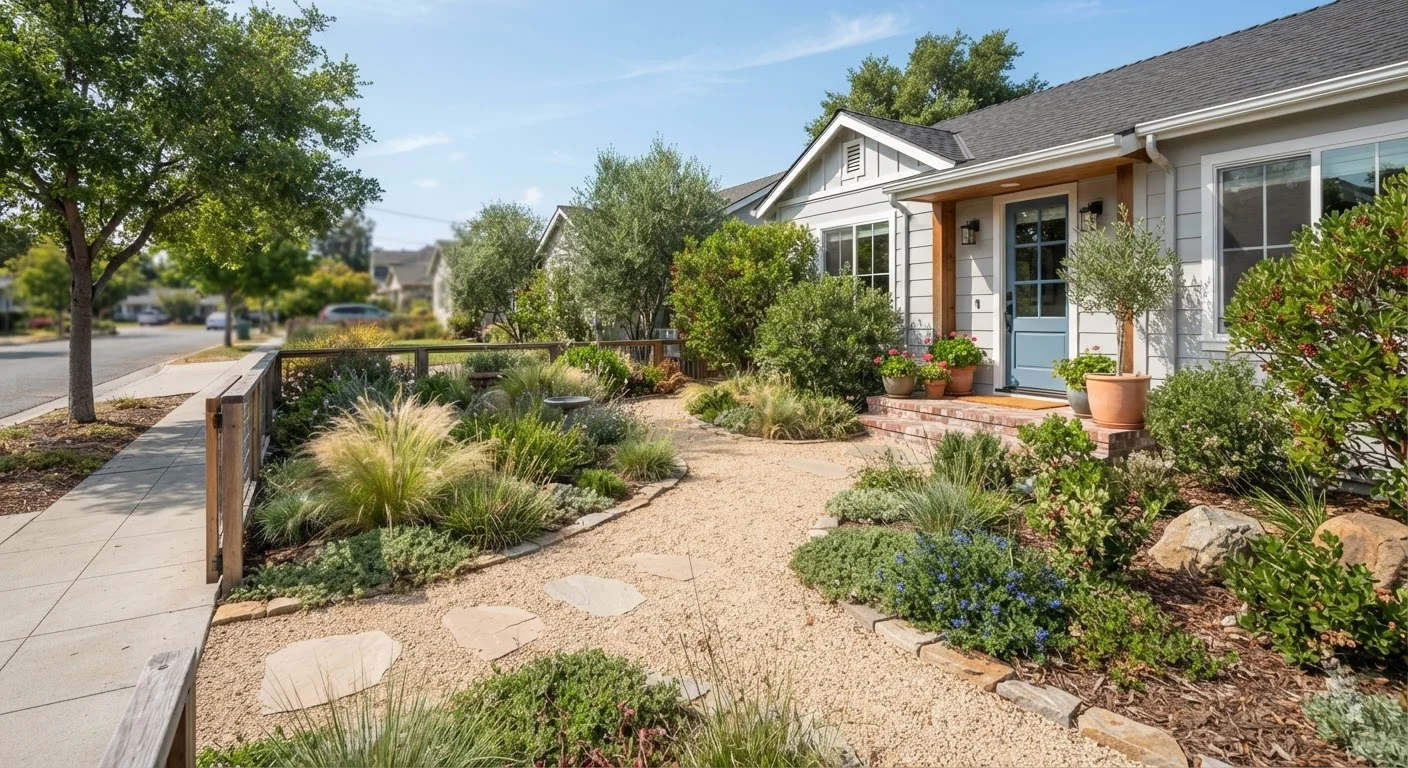
Photo credit: healthmatters.site
In this article
The phrase gets used loosely. This explainer breaks down what truly reduces yard upkeep versus what just shifts the work to a different season.
Key Takeaways
- Low-maintenance landscaping genuinely cuts upkeep when plants match your local climate and soil conditions.
- Replacing turf grass with ground covers or gravel reduces mowing but may add other seasonal tasks.
- Native plants typically need less water and fertilizer than non-native ornamentals once established.
- Upfront installation costs are often higher, but long-term labor and material savings can offset them.
- No yard is truly zero-maintenance; the goal is fewer hours per season, not zero hours per year.
Why the phrase gets misused
Garden centers, landscaping contractors, and home improvement content all use 'low-maintenance' freely, but the phrase rarely comes with a definition. In practice it can mean 'less mowing than a full lawn,' 'drought-tolerant once established,' or simply 'looks tidy in photos.' These are not the same thing.
The confusion matters because homeowners often redesign a yard expecting to reclaim their weekends, then find the new setup demands different work at different times. Gravel beds need weed pulling. Ornamental grasses need cutting back in late winter. Drought-tolerant plants still need watering through their first two summers. Understanding exactly which tasks are reduced, and which are just shifted, is the first step toward a yard that genuinely fits your schedule.
Check your local extension office first
Every U.S. state has a Cooperative Extension Service office, usually affiliated with a land-grant university, that publishes free plant lists suited to local soil and climate. These lists are a practical starting point for choosing plants that will genuinely thrive with minimal intervention in your specific region, rather than relying on general advice that may not apply to your yard.
What actually reduces upkeep
Several design choices have solid track records for cutting labor over time.
Plant selection matched to your climate
Plants that are suited to your region's rainfall, temperature range, and soil type need fewer inputs. A plant constantly fighting its environment demands supplemental watering, fertilizer to compensate for poor soil uptake, and treatment when stress-related disease sets in. Plants matched to local conditions avoid most of that cycle. Native species are one reliable starting point, but well-adapted non-natives can perform equally well depending on your region.
Shrinking the lawn footprint
Turf grass is among the most labor-intensive surfaces in residential landscaping: weekly mowing during the growing season, aeration, overseeding, fertilizing, and irrigation. Replacing sections of lawn with mulched planting beds, ground covers, or permeable hardscape directly reduces those recurring tasks. The trapb-offs between mulch, gravel, and ground cover plants are worth examining before committing to any one approach.
Perennials over annuals
Annuals need replanting every year. Perennials return from the same root system season after season. The selection of perennials suited to your hardiness zone means one planting investment that pays out for years, with only occasional division or trimming required.
Weed suppression built into the design
Bare soil is an open invitation for weeds. Dense plantings, a consistent layer of mulch (typically two to three inches), and landscape fabric under gravel paths reduce the germination rate of weed seeds significantly. This is not permanent, but it cuts the frequency of weeding sessions considerably compared to a sparsely planted bed. For a broader look at how small yard decisions connect to larger upkeep patterns, the annual home maintenance checklist covers yard tasks alongside indoor upkeep in one seasonal reference.
30-60%
Outdoor water use that goes to lawn irrigation
The U.S. Environmental Protection Agency estimates that a significant share of residential outdoor water is used on lawns, much of which is applied inefficiently.
~70 hrs
Average hours per year Americans spend on lawn care
The Bureau of Labor Statistics American Time Use Survey has recorded that lawn and garden care occupies a notable share of household time annually.
1-3 seasons
Typical establishment period for native plantings
U.S. Cooperative Extension Service resources across multiple states note that native plants generally need one to three growing seasons to establish deep root systems before becoming largely self-sufficient.
What just shifts the work
Some changes that feel like a reduction in labor actually redistribute it rather than remove it.
Replacing a mixed lawn with a single ornamental grass variety looks clean and modern, but ornamental grasses typically need to be cut back hard each late winter before new growth starts. One concentrated annual task replaces 25 or more mowing sessions, which is a genuine reduction for many families. However, if you have large planting areas, cutting back many ornamental grasses by hand is substantial work.
Drip irrigation is another example. It reduces hand-watering and runoff, but the system needs seasonal inspection, filter cleaning, and emitter checks. These are less frequent than dragging a hose around, but they are not zero.
Stone or gravel paths eliminate grass entirely in those zones, but gravel migrates over time, weeds push through the base layer, and the surface needs raking or replenishment periodically. The weekend yard makeover guide includes realistic material cost estimates for gravel and mulch alternatives if you are weighing options on a limited budget.
Setting realistic expectations
A yard redesigned around low-maintenance principles realistically targets fewer hours per month, not zero hours. The U.S. Cooperative Extension Service network, which publishes research-based gardening guidance by state, consistently notes that establishment periods for new plantings require more attention, not less. Plan for one to two years of more active care while plants develop root systems deep enough to handle drought and competition from weeds on their own.
Budget-wise, the upfront cost of replacing turf with native plantings or permeable hardscape is usually higher than doing nothing. The payoff comes in reduced water bills, fewer bags of fertilizer and herbicide, and less time spent on a mower. Families who track those ongoing costs often find the math works out, but it takes several seasons to see it clearly. For anyone also thinking about broader household upkeep priorities, the tasks families put off too long is a useful reference for deciding where yard investment fits against other spending.
Frequently Asked Questions

Author
Affordable Home & Garden Editorial Team
Affordable Home & Garden Editorial Team is the collective byline for our editorial team and contributor network. Articles published under this byline or an editorial pen name are researched, written, and reviewed according to our editorial standards for clarity, consistency, and independence before publication.
View all articles →