
Affordable US National Parks Trips the Whole Family Can Enjoy
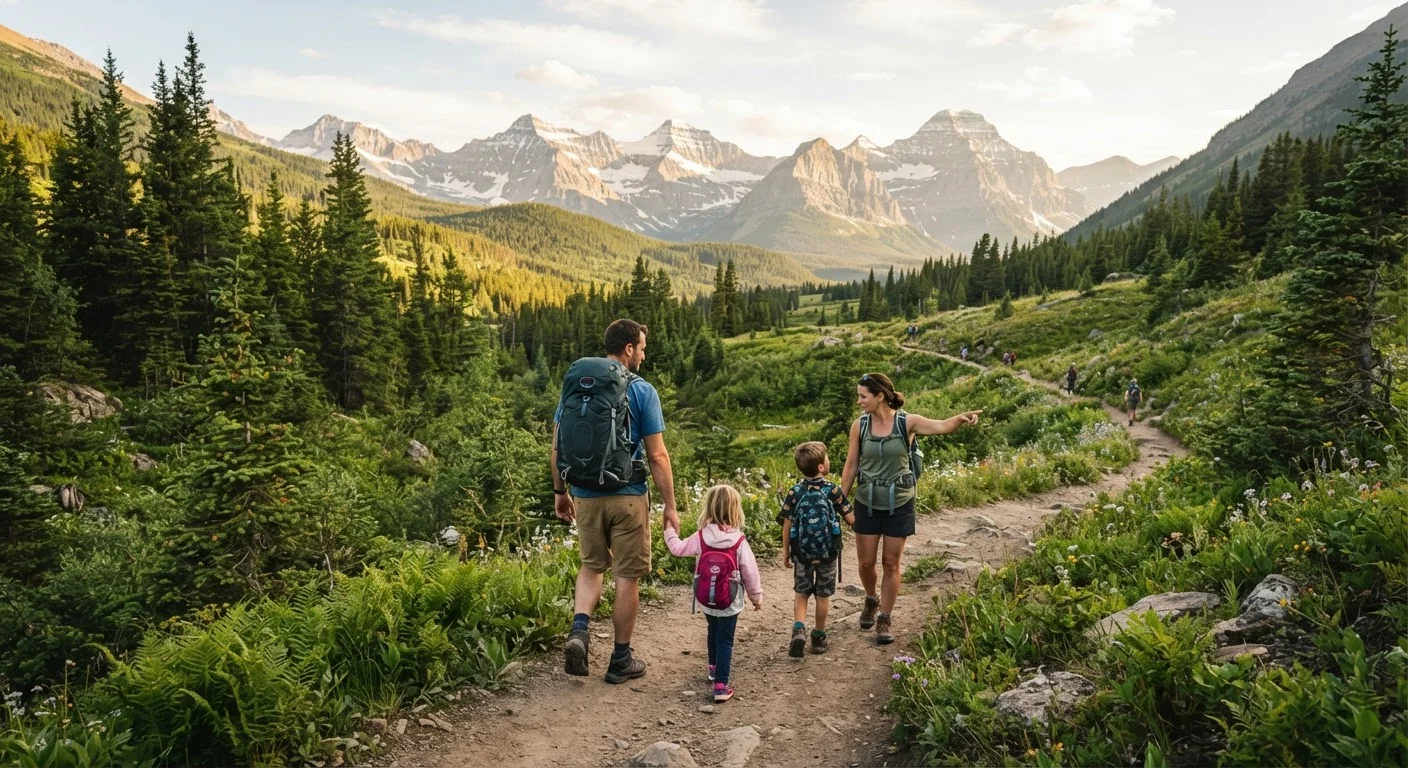
Photo credit: healthmatters.site
In this article
A curated look at family-friendly national parks, entry fee structures, free admission days, and low-cost camping options.
Key Takeaways
- The America the Beautiful annual pass covers entry to over 2,000 federal sites for $80, paying for itself quickly for families who visit multiple parks.
- The National Park Service designates several fee-free days each year, open to all visitors at no cost.
- Fourth-grade students and their families receive free annual passes through the Every Kid Outdoors program.
- Frontcountry campgrounds inside park boundaries typically cost far less than nearby hotels and motels.
- Visiting parks during shoulder season reduces crowds and can lower campsite availability pressure.
- Planning meals and snacks from a cooler cuts daily food costs substantially compared to park concession pricing.
Why national parks remain one of the most cost-effective family destinations
Most US national parks charge a per-vehicle entry fee ranging from $20 to $35, which covers all passengers in the car for up to seven days. That structure means a family of five pays the same as a solo driver, which makes parks unusually affordable on a per-person basis compared to theme parks, resorts, or urban attractions.
Once inside, the core experience, meaning trails, overlooks, visitor centers, and ranger programs, costs nothing extra. That changes the budget math significantly. Families who plan around park entry fees, free admission days, and low-cost camping can build a week-long trip for a fraction of what comparable lodging and entertainment would cost elsewhere. For a broader look at how park trips compare to other trip structures, see what all-inclusive packages actually cost families.
Check the park's timed-entry system before you go
Several high-traffic parks, including Glacier, Yosemite, and Zion, have used timed-entry permit systems during peak periods to manage visitor volume. These permits are separate from campsite reservations and sometimes require advance booking weeks ahead. Check the specific park's current entry requirements on nps.gov before finalizing your dates, since the rules change from year to year.
The seven strategies below address the main cost categories: entry, camping, food, timing, and programs. Each applies to parks across the country, from the Smokies to the Cascades.
Seven ways to keep national park trips affordable
Buy the America the Beautiful annual pass
At $80, the America the Beautiful pass covers the entry fee at over 2,000 federal recreation sites, including all national parks, for 12 months from the month of purchase. A family visiting just three parks in a year that each charge a $30 per-vehicle fee recoups the pass cost. Families with more ambitious itineraries save proportionally more.
The pass is available at park entrance stations, online through the US Geological Survey store, and at some federal recreation offices. It covers everyone in a non-commercial vehicle, so the per-person cost for a family of four or five is well under $20 for the year.
Discounted and free versions of the pass exist for US military members, veterans, Gold Star families, people with permanent disabilities, and fourth-grade students through the Every Kid Outdoors program. Those programs are worth checking before purchasing the standard pass.
A family visiting three $30-entry parks in one year recoups the $80 pass cost with money to spare.
Plan around fee-free days
The National Park Service designates several days each year when entrance fees are waived at all fee-charging parks. These dates have historically included Martin Luther King Jr. Day, the first day of National Park Week in April, Juneteenth, the National Park Service's anniversary in August, National Public Lands Day in September, and Veterans Day.
The specific dates are published on the NPS website each year and can shift slightly, so checking nps.gov before finalizing travel dates is worth the few minutes it takes. For families with schedule flexibility, aligning a visit with a fee-free day eliminates a cost line entirely. The trapb-off is that these days attract higher visitor numbers, so arriving early in the morning helps secure parking and trailhead access.
Fee-free days eliminate the entry cost entirely, though arriving early helps avoid the crowds they attract.
Use the Every Kid Outdoors fourth-grade pass
Every fourth-grade student in the US can obtain a free America the Beautiful annual pass through the Every Kid Outdoors program, a federal initiative designed to connect children with public lands. The pass covers entry to federal lands for the student and anyone traveling in the same vehicle, which in practice means the whole family gets in free for the entire fourth-grade school year and the following summer.
Students obtain the pass by completing a short activity on the Every Kid Outdoors website and printing or saving the voucher. The voucher is exchanged for a physical pass at an entrance station. Families with a child currently in or entering fourth grade should treat this as a first step before any other cost calculation.
Every fourth-grade student can get a free federal lands pass that covers the whole family in the vehicle.
Camp inside the park rather than staying nearby
Frontcountry campgrounds within national park boundaries typically charge between $15 and $30 per night. A hotel or motel near a popular park entrance can run $150 to $250 or more for the same night, particularly during summer. For a family spending five nights near a park, that difference is substantial.
Reservations at high-demand parks such as Yosemite, Glacier, and Rocky Mountain fill months in advance, particularly for summer dates. Recreation.gov handles reservations for most national park campgrounds and opens booking windows on a rolling basis. Checking the specific park's reservation window, which varies by site, and setting a calendar reminder for when it opens gives families the best chance at securing a spot. Some campgrounds also hold a portion of sites for first-come, first-served arrivals, which rewards early morning arrivals at the campground entrance.
Camping inside the park at $15 to $30 per night can save a family several hundred dollars over a week compared to nearby lodging.
Take advantage of free ranger programs
Every national park with a visitor center offers free ranger-led programs: talks, guided walks, evening campfire presentations, and junior ranger activities for children. These programs are led by trained staff, they are educational, and they cost nothing beyond the park entry fee already paid.
The Junior Ranger program, available at nearly every national park, gives children a structured activity booklet to complete during the visit. Finished booklets are submitted to a ranger in exchange for a badge or patch. The program works across the full age range of school-age children and gives kids a focus that keeps them engaged throughout the day. Many families treat collecting badges across multiple parks as a multi-year project.
Junior Ranger booklets give children a goal for each park visit and end with a free badge from the ranger station.
Pack food and use campsite cooking
Food is one of the easiest cost categories to control on a park trip. Concessions and restaurants inside parks charge premium prices, partly because of the logistical complexity of operating in remote locations. Families who bring a cooler, a camp stove, and a basic set of cookware can prepare the majority of their meals at far lower cost.
A practical breakdown: breakfast and lunch prepared at the campsite, trail snacks packed in advance, and one meal per day purchased from a grocery store in the nearest town. That pattern keeps food spending well below what it would be if the family relied on park concessions or nearby tourist-oriented restaurants for every meal. Planning meals before departure and shopping once at a full-size grocery store near the start of the trip avoids the markup at small convenience stores close to park entrances.
Preparing campsite meals and buying groceries in the nearest town keeps daily food costs predictable and low.
Visit during shoulder season when possible
Peak summer weeks at the most visited national parks bring crowded trails, full campgrounds, and higher demand for the limited lodging nearby. Shoulder season, generally May through early June and September through October at most parks, offers the same scenery with fewer visitors. Some parks are genuinely more pleasant in shoulder months: fall color at Shenandoah, wildflowers at Mount Rainier in early summer, and mild temperatures at parks in the desert Southwest in spring and fall.
Families whose children are in school face real constraints here, but spring break, the week after Labor Day, and fall long weekends all fall in or near shoulder periods for many parks. For a fuller look at the trapb-offs of off-peak travel with children, including closures and weather considerations, the guide to off-season family travel covers the details. Shoulder visits also make campsite reservations easier and reduce the chance of hitting a park operating under a timed-entry permit system.
Shoulder season visits reduce competition for campsites and permit systems while keeping the scenery intact.
Building the full trip around your park visit
The park itself is the anchor, but surrounding costs, fuel, food, and getting there, determine whether the trip stays within budget. Road trip planning strategies translate well to national park access since most major parks are reachable by car from large population centers. Driving rather than flying removes a major cost layer for families.
Packing a cooler with breakfasts and lunches, and reserving one sit-down dinner per day, keeps food spending predictable. Campsite grocery runs at nearby towns are almost always cheaper than food purchased inside park boundaries. For more habits that hold costs down throughout a trip, the field-tested spending habits from experienced family travelers article covers lodging, food, and activity trapb-offs in detail. If your schedule has flexibility, traveling outside peak season at parks like Acadia, Zion, or Great Smoky Mountains meaningfully reduces competition for campsites and makes the experience less hectic with children.

Author
Family Travel Deals Editorial Team
Family Travel Deals Editorial Team is the collective byline for our editorial team and contributor network. Articles published under this byline or an editorial pen name are researched, written, and reviewed according to our editorial standards for clarity, consistency, and independence before publication.
View all articles →