
Stretching a Family Vacation Budget: Lessons from Experienced Travelers
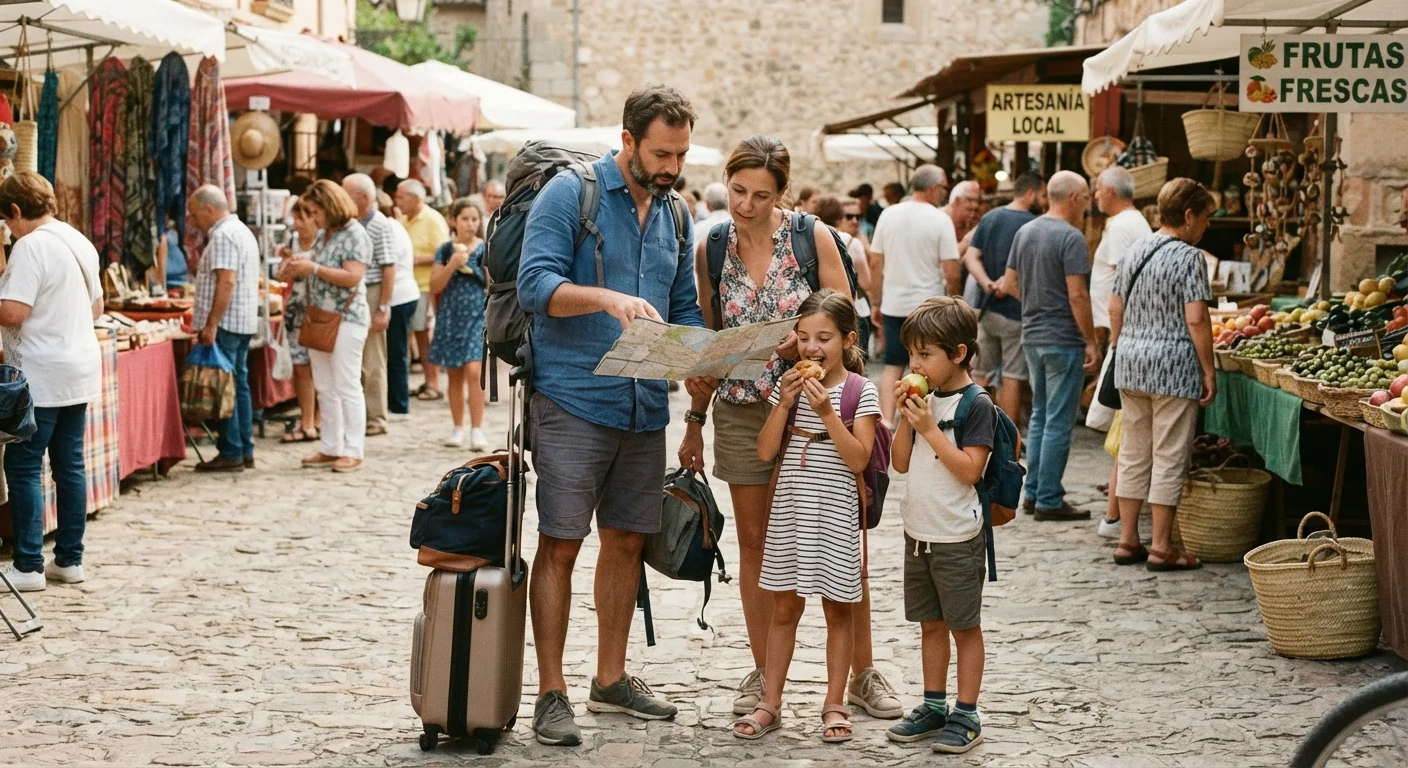
Photo credit: healthmatters.site
In this article
Practical, field-tested habits that help families spend less on lodging, food, and activities without sacrificing the trip experience.
Key Takeaways
- Booking accommodations with a kitchen typically cuts daily food costs for families by a meaningful margin.
- Traveling during shoulder season rather than peak weeks lowers lodging and activity prices without sacrificing much.
- Free or low-cost public attractions, parks, and museums can anchor a full itinerary without major admission costs.
- Setting a daily cash envelope for discretionary spending prevents small purchases from compounding into overruns.
- Loyalty programs and travel credit card points can offset significant costs when used consistently and strategically.
Where the money actually goes on a family trip
Lodging, food, and transportation together account for the bulk of most family vacation budgets. Activities and souvenirs feel smaller in the moment but add up faster than most families expect, particularly with children who respond to every gift shop. Understanding which category is your household's leak is the first step. For many families, food spending away from home runs two to three times what they'd pay at a grocery store, simply because every meal is a restaurant meal. If that pattern sounds familiar, see why families overspend on vacation for a more detailed breakdown of the spending habits that inflate costs before the trip even starts.
The practices below come from patterns common among families who travel frequently on constrained budgets. None of them require sacrifice in any meaningful sense; they require decisions made before arrival rather than in the moment.
Accommodation choices that change the math
The single highest-leverage accommodation decision for families is whether the unit has a kitchen or kitchenette. A vacation rental, extended-stay property, or suite with even basic cooking facilities lets a family prepare breakfasts and pack lunches, which removes two of three daily meal costs from restaurant pricing. Over a seven-day trip with four people, that difference can be substantial.
Book accommodations with a kitchen or kitchenette whenever possible
Preparing even two meals per day in-unit removes the most expensive per-person cost from your daily budget. For a family of four, breakfast and lunch costs at full-service restaurants can easily exceed the nightly price difference between a standard hotel room and a suite or rental with cooking facilities.
Travel during shoulder season rather than the peak two to three weeks of any destination
Lodging rates, theme park crowds, and activity prices all compress during the weeks just outside peak demand. For many school-age families, the first or last week of a school break rather than the middle week can produce meaningfully lower costs with minimal practical difference in the trip itself.
Set a hard daily food budget and do a grocery run on arrival day
Without a plan, food decisions get made under hunger and time pressure, which defaults to the most convenient and expensive option. A grocery run on day one provides breakfast items, snacks, and lunch supplies that cut per-person daily food costs substantially.
Build the itinerary around free and low-cost public attractions before adding paid ones
Many families default to the most marketed activities, which are also often the most expensive. Starting the itinerary with free options, then filling gaps with paid experiences, naturally limits entry-fee spending without feeling restrictive.
Track daily spending each evening and adjust the next day
Budget drift happens gradually and goes unnoticed until checkout. A two-minute review at the end of each day surfaces patterns, such as souvenir spending or resort convenience fees, before they compound.
Shoulder season timing compounds these savings. Lodging prices in most U.S. destinations drop noticeably in the weeks just before and after peak school holidays. Off-season family travel trapb-offs covers the real advantages and drawbacks of traveling outside peak weeks, including which attractions may be closed or reduced.
Food spending without the daily damage
Restaurant meals are not the problem; unplanned restaurant meals are. Families who arrive at a destination without a food plan tend to eat wherever is convenient, which almost always means the most expensive option near the attraction they just visited. A short stop at a local grocery store on arrival day changes that dynamic entirely.
Packing snacks from home for transit days eliminates airport and highway food costs, which run high. Identifying one or two sit-down meals per trip as intentional splurges, and handling the rest with grab-and-go or prepared food from a market, keeps the experience without the overhead. Grocery spending myths is worth reading before you shop, since some common assumptions about where to buy food cheaply on the road turn out to be wrong.
Activities, entry fees, and the free-attraction strategy
Children often remember unstructured outdoor time as clearly as ticketed attractions. Beaches, hiking trails, national forest land, city parks, and public playgrounds cost nothing. Libraries in many cities offer free or discounted museum passes to cardholders, including visitors with temporary cards. Many science museums, zoos, and art institutions have free admission days each month, which are worth checking before buying full-price tickets.
For families who visit national parks regularly, the America the Beautiful annual pass provides entry to all federal fee areas for a flat annual fee, which can pay for itself in a single trip with multiple park visits. Affordable US national parks trips has specifics on fee structures and free admission days.
Planning an itinerary before departure also prevents impulse booking of expensive activities on-site. Many ticketed experiences cost less when purchased in advance online than at the gate.
Keeping spending on track during the trip
A daily discretionary budget, set in cash or tracked in a simple notes app, gives every family member visibility into what is left. This is not about restricting enjoyment; it is about preventing the slow drift that happens when small purchases go untracked for several days. Families who review spending each evening tend to adjust the next day without friction, while those who check only at checkout often find the damage already done. For households looking to build stronger money habits that carry into everyday life, everyday money habits that compound over time covers the same principle applied to regular spending.
Road trips introduce a separate cost category: fuel. Route planning, maintaining correct tire pressure, and avoiding aggressive highway speeds all reduce fuel consumption in ways that add up over long distances. Planning a family road trip without blowing the budget covers fuel and logistics in depth.

Author
Family Travel Deals Editorial Team
Family Travel Deals Editorial Team is the collective byline for our editorial team and contributor network. Articles published under this byline or an editorial pen name are researched, written, and reviewed according to our editorial standards for clarity, consistency, and independence before publication.
View all articles →