
Why Families Overspend on Vacation (And the Habits That Drive It)
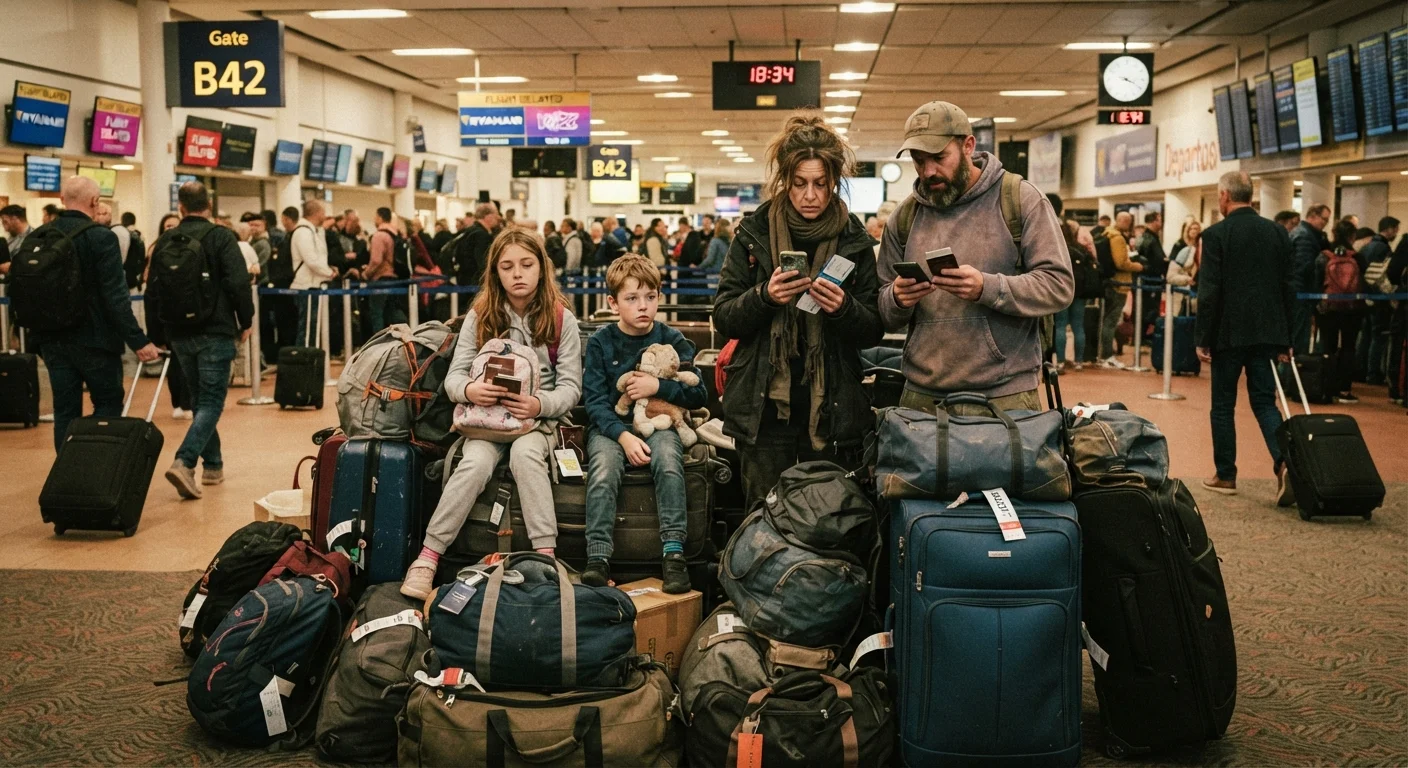
Photo credit: healthmatters.site
An honest look at the spending patterns and booking decisions that quietly inflate family travel costs, and how to course-correct.
Key Takeaways
- Most vacation overspending comes from booking decisions made too late or without a spending plan.
- Convenience purchases on the road, like airport food and resort fees, quietly add hundreds to the final bill.
- Traveling outside peak dates can reduce costs significantly, though trapb-offs exist for families with school-age children.
- Setting a per-category budget before booking is more effective than tracking spending after the trip ends.
- Loyalty programs and flexible date searches are underused tools that require no upfront cost to access.
Where the money actually goes wrong
Vacation overspending is rarely one big decision. It is a sequence of smaller ones made under time pressure, with incomplete information, and often with children in tow who have strong opinions about lunch. The result is a trip that costs several hundred or several thousand dollars more than the number the family had in mind when they started planning.
The patterns are consistent enough that they are worth naming. Recognizing them before you book is more useful than reconstructing what happened on the credit card statement afterward. For families looking to build stronger habits across all their spending, the Smart Money Habits hub covers the underlying patterns that show up in travel and everywhere else.
Booking flights and hotels without a total trip budget in place first.
Why it happens: Families often get excited about a destination and start searching prices before deciding how much the whole trip should cost. Individual purchases look affordable in isolation, but there is no ceiling to stop accumulation.
Booking during peak travel windows because school calendars leave no flexibility.
Why it happens: Spring break, summer, and holiday periods are the only practical windows for many school-age families, so demand concentrates there and prices rise accordingly.
Ignoring loyalty programs until after the trip is booked.
Why it happens: Families assume points programs require years of accumulation before they matter, so they skip enrollment and miss credits they could have earned immediately.
Underestimating daily spending on food, transport, and activities once at the destination.
Why it happens: Pre-trip budgeting focuses on the big-ticket items: flights and hotels. Ground-level costs, like taxis, entry fees, and three restaurant meals a day for four people, get underestimated or ignored entirely.
Paying for travel-adjacent subscriptions or memberships that overlap with each other.
Why it happens: Families accumulate warehouse club memberships, travel credit card perks, and booking-platform subscriptions without checking whether the benefits duplicate. They pay for access to discounts they already have elsewhere.
Treating the vacation budget as separate from household finances rather than part of them.
Why it happens: Travel feels like a special category, so families mentally separate it from regular spending. This makes it easier to justify costs they would reject in everyday life.
Fixing the habits before the next trip
The corrections to most of these habits are not complicated, but they do require doing them before booking begins, not after flights are purchased and hotels are confirmed. A spending plan built by category, checked against your existing memberships and card benefits, and grounded in realistic on-the-ground costs will do more than any single deal.
Resort fees and hidden charges add up fast
Many hotels advertise a base nightly rate that excludes mandatory resort fees, parking, and Wi-Fi charges. These can add $30 to $80 per night to your actual bill. Always check the total price at checkout, not just the headline rate, before confirming any reservation.
Families who travel regularly and spend less tend to plan earlier, search with flexible dates where possible, and treat food costs as a fixed budget line rather than a variable they figure out on arrival. The habits that experienced budget travelers use are documented and repeatable, not a matter of luck or insider access.
If you are starting from scratch with family travel planning, the complete starting point guide covers destination research, booking timing, and on-the-road spending in one place.
Airport and theme park food pricing is not optional
Once you are inside a resort or airport, food prices are largely fixed and there is little alternative. Packing snacks, eating before arrival, or booking accommodation with a kitchen are the only reliable ways to avoid these markups. Budget for them explicitly if you cannot avoid them, rather than absorbing the cost as a surprise.
Households that carry higher fixed costs, including car payments and insurance, have less margin for travel surprises. Understanding what drives recurring costs like auto insurance premiums can free up room in the annual budget that eventually funds travel without strain.

Author
Family Travel Deals Editorial Team
Family Travel Deals Editorial Team is the collective byline for our editorial team and contributor network. Articles published under this byline or an editorial pen name are researched, written, and reviewed according to our editorial standards for clarity, consistency, and independence before publication.
View all articles →