
Generic vs. Brand-Name Medications: What Families Should Understand
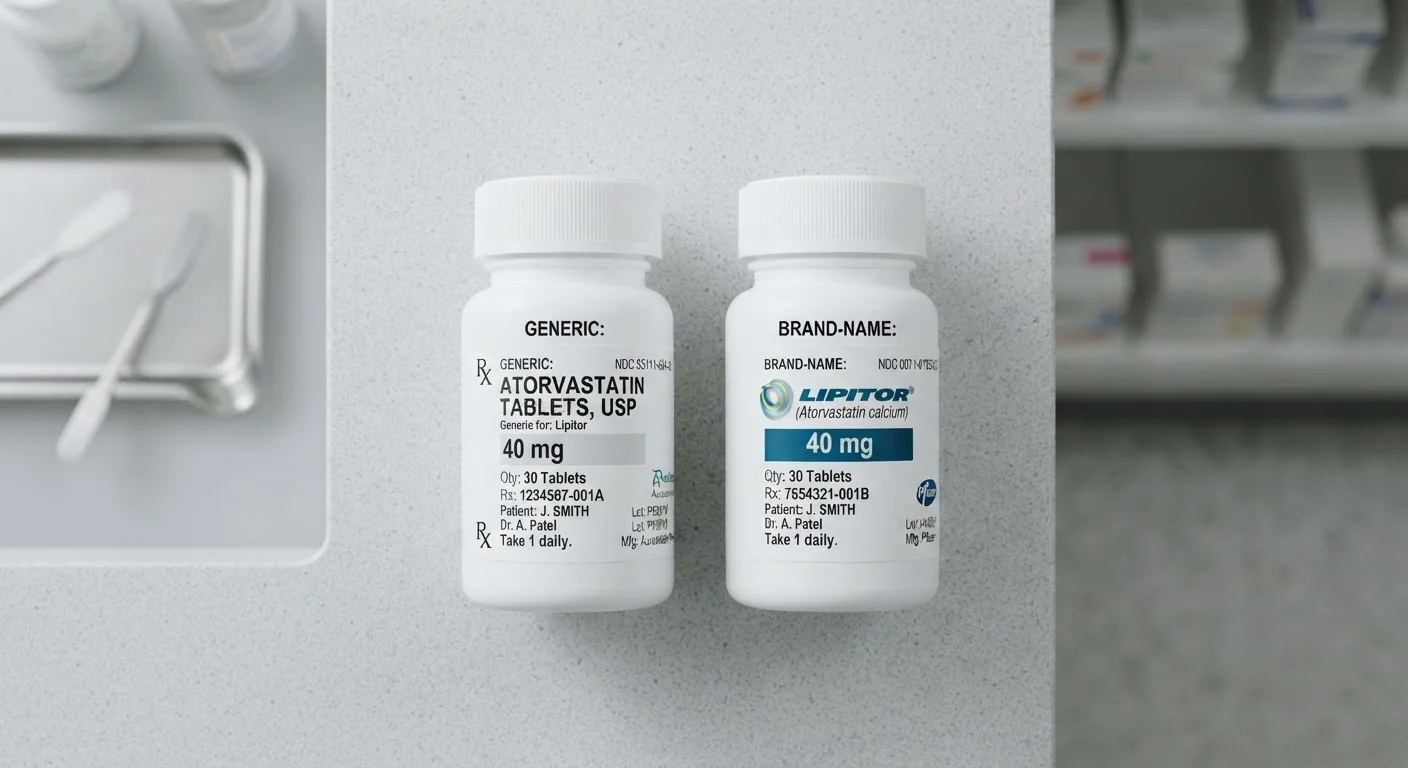
Photo credit: healthmatters.site
In this article
Explore the regulatory standards behind generic drugs, how they compare to brand-name versions, and when to ask your pharmacist or doctor about alternatives.
Key Takeaways
- The FDA requires generics to contain the same active ingredient, strength, and dosage form as the brand-name drug.
- Generic medications can cost significantly less than their brand-name counterparts at the pharmacy counter.
- Inactive ingredients differ between generics and brands, which matters for people with certain allergies or sensitivities.
- A pharmacist is a practical first stop when questions arise about switching between formulations.
- Some drugs have a narrow therapeutic index, meaning small differences in absorption may warrant closer monitoring.
How the FDA defines bioequivalence
The U.S. Food and Drug Administration (FDA) requires that a generic drug deliver the same active ingredient in the same amount, at the same rate of absorption into the bloodstream, as the reference brand-name product. This standard is called bioequivalence. A generic must be pharmaceutically equivalent in dosage form, strength, route of administration, and labeling for the same conditions of use.
What generic manufacturers are not required to copy are inactive ingredients, also called excipients. These include fillers, dyes, binders, and coatings that affect a tablet's appearance, texture, and sometimes its breakdown in the stomach. The FDA does review excipients for safety, but the specific list may differ between a generic and the brand. For most people this has no practical consequence. For someone with a specific dye allergy or gluten sensitivity, it is worth reviewing the inactive ingredients list with a pharmacist or prescriber.
The FDA publishes its Orange Book, formally titled Approved Drug Products with Therapeutic Equivalence Evaluations, which pharmacists and prescribers use to confirm whether a generic has an "AB" rating, meaning it meets the bioequivalence standard for substitution.
Cost differences and what drives them
Brand-name drug manufacturers recoup substantial research, clinical trial, and marketing costs through patent-protected pricing. Once a patent expires, other manufacturers can apply to produce generics, and market competition typically brings prices down. The FDA reports that generic drugs often cost 80 to 85 percent less than their brand-name equivalents after multiple generic manufacturers enter the market.
80-85%
Typical cost reduction for generics
The FDA reports generics frequently cost 80 to 85 percent less than brand-name drugs once multiple generic manufacturers enter the market.
90%
Share of U.S. prescriptions filled as generics
According to the FDA, about 90 percent of prescriptions dispensed in the United States are filled with generic drugs.
$338B+
Annual savings from generic drug use
The Association for Accessible Medicines estimates generic drugs have saved the U.S. healthcare system hundreds of billions of dollars annually in recent years.
Insurance formularies, the tiered lists that determine what a plan covers and at what cost, usually place generics in Tier 1, the lowest copay level. Brand-name drugs often sit in Tier 3 or higher, which means higher cost-sharing for the patient. Families who receive a new prescription can ask their pharmacist to check whether a generic is available and what the formulary tier difference means for their out-of-pocket cost at that pharmacy.
Programs like GoodRx and some state pharmaceutical assistance programs can further reduce generic costs, sometimes below the insurance copay. Comparing prices across pharmacies for a specific generic is a straightforward step that requires no clinical decision-making. For more guidance on making the most of preventive care visits where prescriptions are often reviewed, see our guide to annual wellness visits.
When the brand version may matter clinically
Certain drug classes have what clinicians call a narrow therapeutic index (NTI). This means the difference between a therapeutic dose and a toxic or subtherapeutic dose is small. Examples include some thyroid medications, anticoagulants like warfarin, and certain anti-seizure medications. For NTI drugs, even small differences in bioavailability between formulations can matter. The FDA acknowledges this and recommends clinical monitoring when a patient is switched between formulations of an NTI drug, even between two AB-rated generics.
If a family member takes a medication in one of these categories, the prescriber should make the formulation decision. Patients and caregivers can ask directly: "Is there a clinical reason I should stay on the brand, or is the generic appropriate for me?" That question belongs in a medical appointment, not a self-directed switch.
| Criterion | Brand-name medications | Generic medications |
|---|---|---|
| Active ingredient | Original patented compound | Same active ingredient, same strength |
| FDA bioequivalence required | Reference standard | Yes, AB-rated generics |
| Inactive ingredients | Brand-specific excipients | May differ; reviewed for safety |
| Typical cost | Higher, patent-protected pricing | Up to 80-85% less after competition |
| Insurance formulary tier | Tier 3 or higher (higher copay) | Tier 1 (lowest copay) |
| Narrow therapeutic index drugs | May be prescribed when stability is critical | Requires clinical monitoring if switched |
| Appearance | Consistent brand look | Varies by manufacturer |
This article provides general health information and is not a substitute for advice from a licensed healthcare professional. Always consult your doctor or pharmacist before making changes to any medication regimen.

Author
Everyday Health Savings Editorial Team
Everyday Health Savings Editorial Team is the collective byline for our editorial team and contributor network. Articles published under this byline or an editorial pen name are researched, written, and reviewed according to our editorial standards for clarity, consistency, and independence before publication.
View all articles →