
DIY Car Care Tasks Worth Doing Yourself (And Which Ones to Leave to a Mechanic)
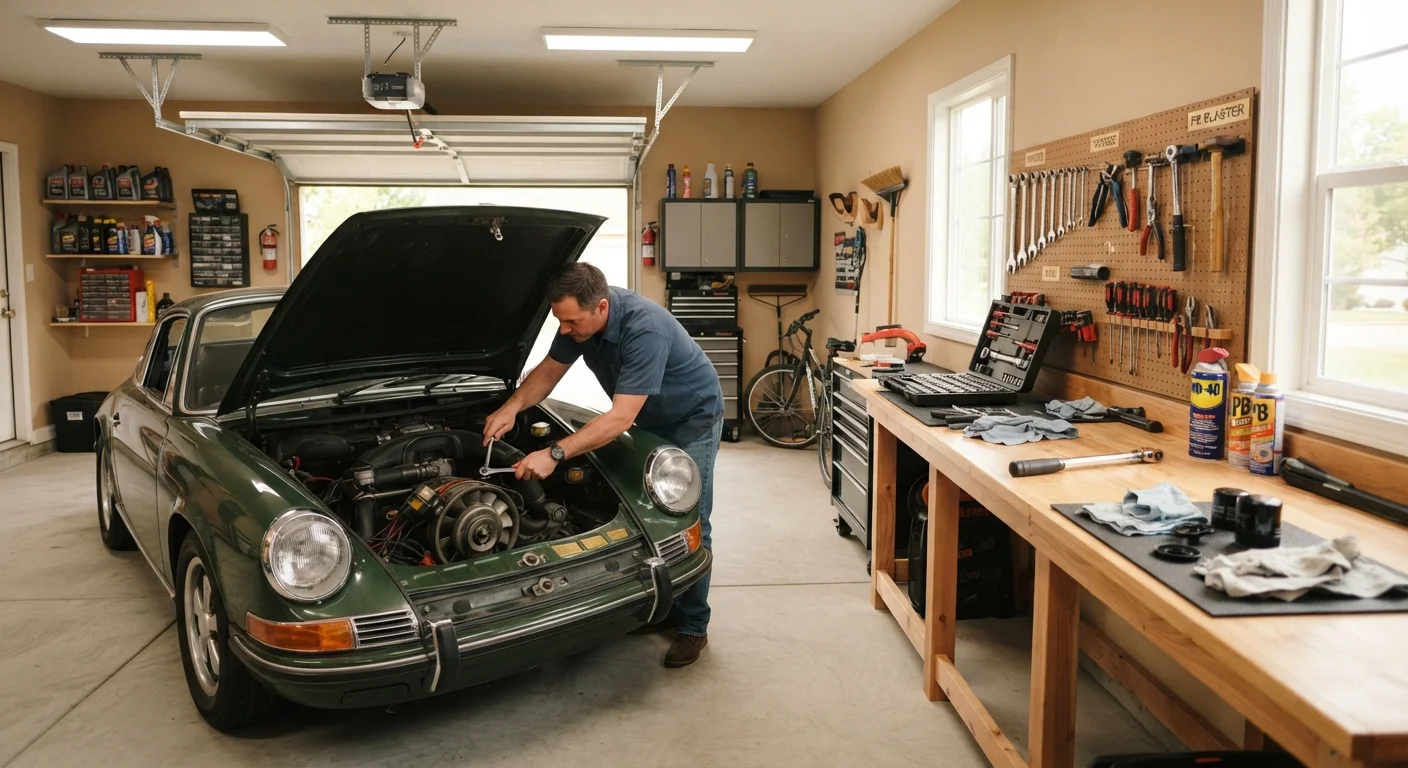
Photo credit: healthmatters.site
In this article
Some routine maintenance is safe and straightforward for home mechanics. Others carry real risk. This guide helps you tell the difference.
Key Takeaways
- Air filters, wiper blades, and cabin filters are safe DIY tasks that require no special tools.
- Brake work, suspension repairs, and timing belt replacement carry injury or damage risk and generally require a qualified mechanic.
- DIY savings are only real if the job is done correctly; a mistake can cost more than the original service.
- Keeping a maintenance log helps you track what you have done yourself and what a shop has handled.
- Your owner's manual is the most reliable guide for service intervals, fluid specs, and torque values.
How to think about DIY vs. professional service
The decision is not about confidence or pride. It is about three practical factors: the cost of a mistake, whether you have the right tools, and whether the job requires a lift, torque wrench, or diagnostic scanner that most households do not own.
Some maintenance items have essentially no failure risk. Swapping a cabin air filter on most vehicles takes two minutes and a flat-head screwdriver. Others, like replacing brake calipers or repairing an anti-lock braking system, involve components where an error could lead to brake failure. The consequence gap between those two categories is wide enough to treat them very differently.
A good starting point is your owner's manual. It specifies fluid types, torque settings, and service intervals that are vehicle-specific. Generic advice from online forums can be wrong for your make and model. The manual is free, accurate, and already in your glove compartment.
See the annual vehicle cost checkup for a structured way to review which maintenance items are coming due and what they typically cost at a shop versus at home.
Tasks that are safe and practical to do yourself
The following jobs are well within reach for most adults with basic hand tools and about an hour of time.
- Engine air filter: On most cars, the air filter housing is unclipped or unscrewed by hand. The filter slides out, a new one slides in. No fluids, no torque specs.
- Cabin air filter: Usually behind the glove box or under the dashboard. Most replacements involve removing two clips and pulling a panel. Manufacturer instructions vary, so check the manual first.
- Wiper blades: Replacement blades include printed instructions and a locking clip. The whole job takes under five minutes per blade.
- Tire pressure: A quality gauge costs a few dollars. Checking and adjusting pressure monthly can extend tire life and modestly improve fuel economy. The correct pressure is on the door jamb sticker, not the tire sidewall.
- Windshield washer fluid: The reservoir cap is marked and the fluid is a direct pour. There is no meaningful risk involved.
- Battery terminal cleaning: Corroded terminals reduce electrical performance. With the vehicle off and safety gloves on, a wire brush and a baking soda solution clean terminals effectively. This is not the same as replacing the battery, which involves more steps.
Keeping a maintenance log of every DIY task, with the date and mileage, helps during resale and makes it easier to track intervals.
Check the manual before you start
Your owner's manual lists the exact filter part numbers, fluid specifications, and torque values for your vehicle. A filter that fits physically may not meet the manufacturer's filtration rating. Two minutes with the manual before buying parts prevents the most common DIY errors.
Tasks that belong with a qualified mechanic
Some jobs look approachable in tutorial videos but carry disproportionate risk in practice.
| Task | DIY-friendly | Leave to mechanic | |
|---|---|---|---|
| Engine air filter | Yes, basic tools only | Not necessary | |
| Cabin air filter | Yes, check manual first | Not necessary | |
| Wiper blades | Yes, under 10 minutes | Not necessary | |
| Brake pads and rotors | Only with verified experience | Recommended for most owners | |
| Timing belt replacement | Not recommended | Yes, high risk if wrong | |
| Hybrid/EV high-voltage work | Never attempt at home | Always, no exceptions |
- Brake pads and rotors: The procedure itself is learnable, but brake systems are life-safety components. Incorrect torque on caliper bolts, a pinched brake line, or improper bedding of new pads can cause brake fade or failure. Unless you have verifiable experience and the right tools, a mechanic is the right call.
- Timing belt or timing chain: This repair often requires partial engine disassembly. An error in alignment can destroy the engine. Labor costs are high, but an engine replacement costs far more.
- Suspension and steering components: Ball joints, tie rods, and struts affect vehicle handling and alignment. Incorrect installation changes how the car steers and brakes. A wheel alignment must follow any suspension work, which requires shop equipment.
- Hybrid and electric vehicle high-voltage systems: High-voltage battery packs and inverters in hybrid and electric vehicles carry lethal voltage. These components require insulated tools, proper training, and in most cases manufacturer-specific procedures. Do not attempt any high-voltage system work at home.
- Transmission service (beyond fluid checks): Internal transmission work requires specialized equipment and training. Even fluid flushes on some modern transmissions call for specific procedures that differ by model.
If a repair requires the vehicle to be raised and supported safely, a professional lift is the standard. Home jack stands can work for experienced users following correct procedures, but the margin for error is lower than it appears in instructional content.
The real math on DIY savings
DIY maintenance saves money when the job is done correctly the first time. A failed attempt that damages a component or requires a tow can cost more than the original shop visit. Before starting any task, calculate the cost of the parts, the time involved, and the realistic cost of getting it wrong.
For straightforward items, the savings are genuine. An engine air filter that costs $10 to $20 in parts might cost $40 to $60 at a shop including labor. Wiper blades follow a similar pattern. Over a year, handling three or four of these small items yourself adds up without introducing meaningful risk.
For complex repairs, the labor rate at a shop reflects the cost of specialized tools, liability, and training that most households cannot replicate cheaply. Paying for that expertise on brake, suspension, or drivetrain work is a reasonable allocation of your maintenance budget, not a failure to save.
Smarter fueling habits are another low-effort area where small changes, including keeping tires at the correct pressure, produce consistent savings without any mechanical work at all.
This article provides general educational information about vehicle maintenance and is not a substitute for advice from a qualified automotive mechanic. Always consult your vehicle's owner's manual and, where appropriate, a licensed professional before performing any repair or maintenance task.

Author
Car Ownership Savings Editorial Team
Car Ownership Savings Editorial Team is the collective byline for our editorial team and contributor network. Articles published under this byline or an editorial pen name are researched, written, and reviewed according to our editorial standards for clarity, consistency, and independence before publication.
View all articles →