
Smarter Fueling Habits That Cut What You Spend at the Pump
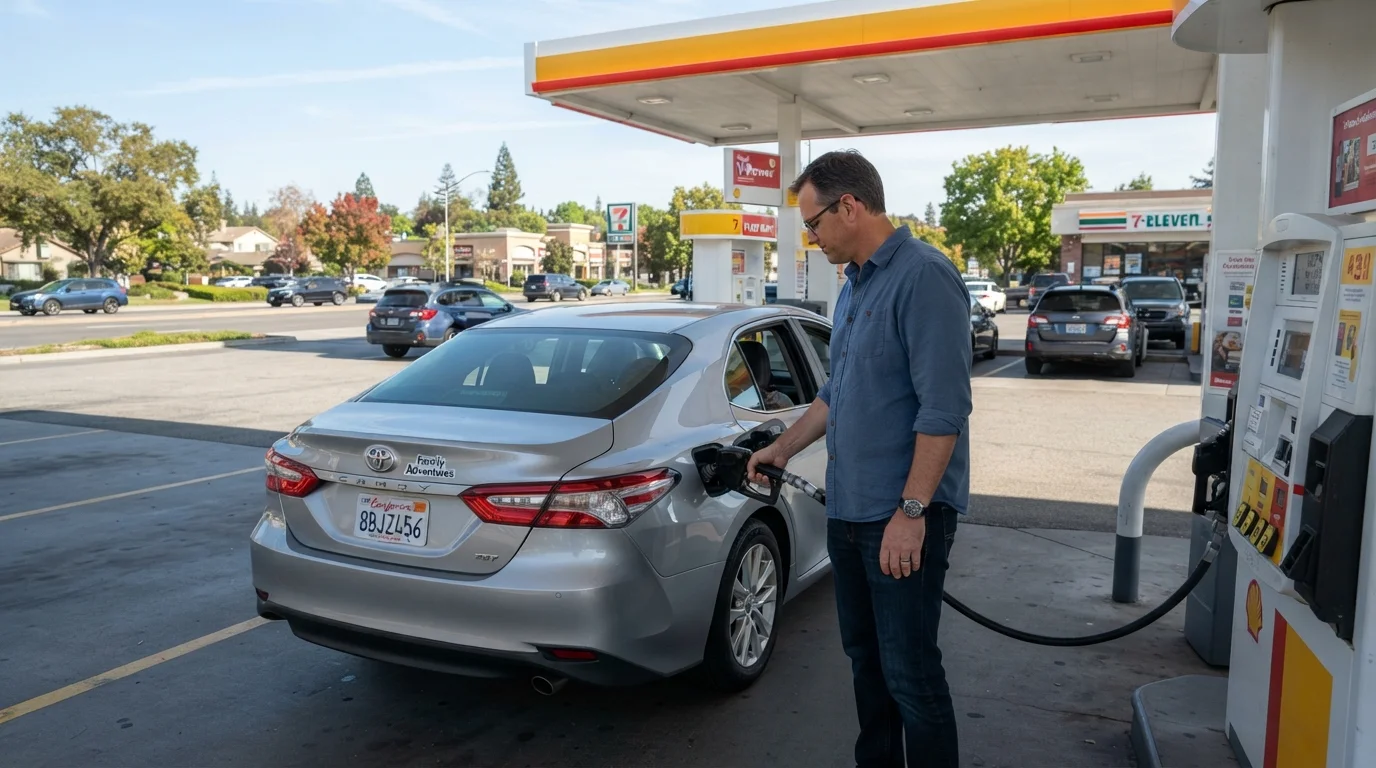
Photo credit: healthmatters.site
In this article
From tire pressure to trip planning, everyday driving choices have a measurable effect on fuel use. Here are approaches backed by how engines work.
Key Takeaways
- Keeping tires inflated to the manufacturer's specification can measurably reduce fuel consumption.
- Smooth acceleration and braking habits have a greater effect on fuel economy than most drivers expect.
- Combining errands into fewer trips reduces cold-start fuel penalties that occur on short drives.
- Carrying unnecessary weight in the vehicle consistently lowers fuel efficiency.
- Using the correct fuel grade for your engine wastes money without improving performance when upgraded unnecessarily.
Why small habits move the fuel cost needle
Fuel is one of the largest recurring costs in car ownership, and unlike a fixed loan payment, it responds directly to driver behavior. The U.S. Department of Energy has published data showing that aggressive driving, underinflated tires, and excess idling each reduce fuel economy in ways that compound over thousands of miles. For a family averaging 15,000 miles per year, even a one or two mile-per-gallon improvement in real-world fuel economy can mean a meaningful difference at the annual budget level.
The habits below are grounded in how internal combustion engines and vehicle systems actually work. None require spending money on aftermarket products. See our overview of car ownership costs for context on how fuel fits into the broader picture of what families spend on a vehicle.
Trip planning and load management
How you organize driving matters as much as how you drive. A cold engine uses more fuel per mile than a warm one, so several short separate trips burn more fuel than one longer trip covering the same stops. Grouping errands by route and timing them after the engine is already warm is a straightforward way to reduce per-mile fuel cost with no extra effort.
Excess cargo is another overlooked factor. The U.S. Department of Energy estimates that every 100 pounds of extra weight reduces fuel economy by roughly 1 percent in the average vehicle, with a larger effect in smaller cars. Roof racks and cargo carriers add aerodynamic drag even when empty; removing them when not in use is a practical step.
If your family takes long drives, planning the route for fuel efficiency can reduce pump costs on top of the habits you already use daily.
Fuel grade and fill-up timing
Most passenger vehicles are designed to run on regular unleaded fuel. Using a higher octane grade than the engine requires delivers no performance or efficiency benefit and costs more per gallon. Check the owner's manual, not the filler cap label on older vehicles, since labels can be ambiguous. The manual specifies whether premium is required, recommended, or simply not needed.
Fuel temperature and fill timing have a smaller but real effect. Gasoline is sold by volume, and liquid expands slightly in heat. Filling up during cooler morning hours delivers marginally more energy per gallon in hot climates, though the difference is modest. More practically, avoid running the tank very low repeatedly: fuel pumps in modern vehicles are cooled by the surrounding gasoline, and consistently low tanks can increase pump wear over time.
These fueling decisions connect to everyday money habits that compound over time, where small, consistent choices accumulate into larger savings.
Maintenance tasks that protect fuel economy
Several routine maintenance items have a direct relationship to fuel efficiency. A clogged air filter forces the engine to work harder to draw in air, which increases fuel consumption. Engine oil viscosity matters too: using an oil grade heavier than the manufacturer specifies increases internal friction and reduces efficiency. Both items are covered in standard service intervals and are worth tracking.
Tire pressure is the maintenance factor with the most consistent impact. The recommended pressure is printed on the door jamb sticker, not the tire sidewall. Sidewall numbers indicate maximum pressure, not the operating target. Checking pressure monthly, and before any long trip, takes under five minutes and keeps the tire contact patch at its intended shape, which reduces rolling resistance.
For a breakdown of which maintenance tasks are practical to handle at home versus which need a professional, see DIY car care tasks worth doing yourself. Skipping or delaying maintenance to save money short-term often increases fuel costs and can lead to larger repair bills, as noted in our look at underestimated car ownership costs.

Author
Car Ownership Savings Editorial Team
Car Ownership Savings Editorial Team is the collective byline for our editorial team and contributor network. Articles published under this byline or an editorial pen name are researched, written, and reviewed according to our editorial standards for clarity, consistency, and independence before publication.
View all articles →