
Raised Bed Gardening: What Every First-Time Grower Should Know
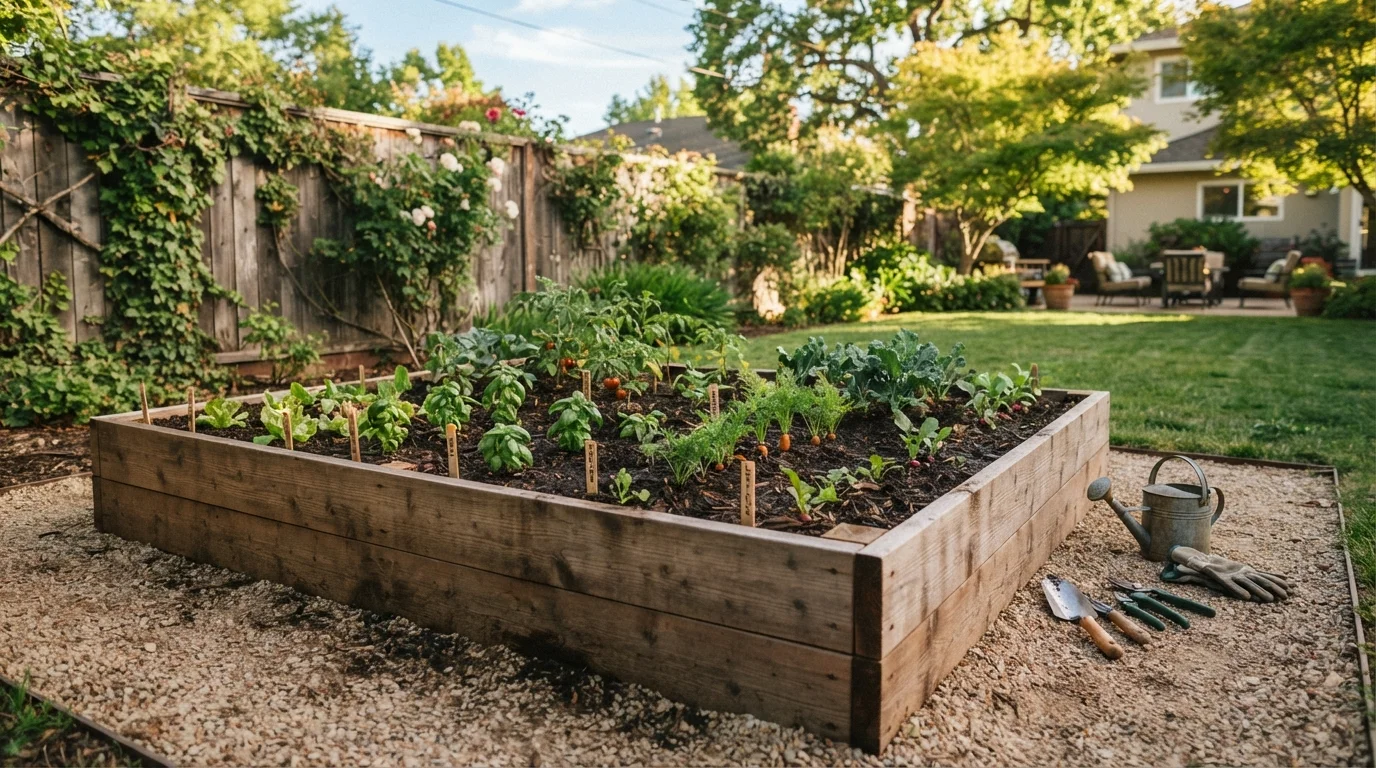
Photo credit: healthmatters.site
In this article
From soil mix to spacing, this beginner's introduction covers everything you need to start a productive raised bed garden at home.
Key Takeaways
- Raised beds give first-time growers control over soil quality, drainage, and weed pressure.
- A 4-foot-wide bed lets you reach the center from either side without stepping on the soil.
- The right soil mix, not native ground soil, is what makes or breaks a raised bed.
- Starting small with one or two beds keeps costs manageable and the learning curve realistic.
- Consistent but moderate watering matters more than any other ongoing care habit.
Why raised beds work for beginners
In-ground gardening asks you to work with whatever soil you have, which is often compacted clay, sandy, or full of weed seeds. A raised bed lets you start fresh with soil you control. That single advantage removes most of the guesswork that discourages first-time growers.
Raised beds also warm up faster in spring because the soil is above grade and exposed to air on all sides. Faster warming means earlier planting and a longer growing season in many parts of the country. Drainage is better by default, so roots are less likely to sit in waterlogged soil after heavy rain.
Weeding is noticeably easier too. Because you fill the bed with imported growing mix rather than native soil, the weed seed bank starts low. Fewer weeds mean less time spent on maintenance, which matters when you're still learning the rhythm of a garden. If a weekend yard project appeals to you, a single raised bed is one of the more satisfying things a family can complete in two days.
Choosing your materials and size
Wood is the most common material for DIY raised beds. Cedar and redwood resist decay naturally. Untreated pine costs less and typically holds up for several growing seasons before needing replacement. Galvanized steel beds have grown in popularity for their durability, though they carry a higher upfront cost.
Lumber treatments and food safety
Modern pressure-treated lumber labeled for ground contact uses preservative compounds different from older formulations that contained arsenic. Current research suggests the newer treatments pose low risk for food garden use, but practices and regulations can vary. Check guidance from your local cooperative extension service before deciding.
Size matters more than most beginners expect. A bed that is 4 feet wide is the practical standard because an adult can reach the center from either side without stepping into the bed. Stepping on the soil compacts it, which is exactly what you're trying to avoid. Length can be whatever fits your space, though 8 feet is a common starting point because it works well with standard lumber dimensions.
Height of 10 to 12 inches is enough for most vegetables. If you plan to grow carrots, parsnips, or other deep-rooted crops, aim for 18 inches. A taller bed also means less bending, which some families find worthwhile regardless of what they're growing.
Keep your first bed small
One 4-by-8-foot bed is enough to learn from without overwhelming yourself or your budget. A smaller bed is easier to water, weed, and maintain through a full growing season. You can always add a second bed next year once you know what worked.
Building the right soil mix
The soil inside a raised bed does the real work, so it deserves attention. A common formula combines roughly one-third compost, one-third coarse material like perlite or coarse vermiculite, and one-third topsoil or a quality bagged garden mix. Compost provides nutrients and biological activity. The coarse material keeps the mix from compacting over time. Topsoil adds body.
Avoid using native soil to fill your bed
Filling a raised bed with soil dug from your yard is a common mistake. Native soil compacts quickly in an enclosed bed, smothers roots, and often carries weed seeds or pathogens. Always build a purpose-made growing mix for best results.
Compost is the ingredient worth investing in or making yourself. Home compost produced from kitchen scraps and yard waste is free once a system is established. The composting at home guide covers how to build that system, what to add, and how to speed the process. Replacing a portion of purchased compost with homemade material meaningfully reduces the annual cost of maintaining a bed.
Plan to top-dress the bed with one to two inches of compost each season. Soil in a raised bed settles and gets consumed by plants over time, so regular additions keep the structure and fertility from declining.
Mel's Mix
A widely referenced raised bed soil formula using equal parts compost, coarse vermiculite, and peat moss or coconut coir. It drains well and holds nutrients effectively.
Square foot gardening
A planting method that divides a bed into one-foot squares, each seeded with a set number of plants based on their mature size. It maximizes yield in a small footprint.
Hardiness zone
A geographic designation from the USDA indicating average annual minimum temperatures. It helps gardeners know which plants can survive in their area and when to plant.
Direct sow
Planting seeds directly into the garden bed rather than starting them indoors in trays first. Many fast-germinating vegetables like radishes and beans are direct sown.
Succession planting
Sowing the same crop every two to three weeks in small batches so harvests spread over time rather than all arriving at once.
Amendments
Materials added to soil to improve its structure, drainage, or nutrient content. Common examples include compost, perlite, and aged manure.
Planting, spacing, and what to grow first
Crowding is the most common planting error beginners make. Plants need space for airflow, root development, and light access. Most seed packets include recommended spacing, and those numbers are worth following in a raised bed even though the improved soil might tempt you to plant closer together.
Square foot gardening is a practical framework for beginners. It divides the bed into one-foot squares and assigns a plant count to each square based on the crop. Lettuce gets four plants per square, for example, while tomatoes get one plant per four squares. This structure prevents overcrowding and makes it easier to plan a full bed on paper before putting a single seed in the ground.
For a first season, stick to crops that grow fast and tolerate imperfect conditions: radishes, leaf lettuce, bush beans, spinach, and herbs like basil or chives. These give you visible progress within weeks and build confidence. Once the bed is productive, you can explore ground cover options that complement it, including ideas covered in the mulch and ground cover comparison article.
Watering and ongoing care
Raised beds dry out faster than in-ground plots because they drain freely and expose more soil surface to air. In warm weather, most vegetable beds need water every one to two days. The reliable test is to push a finger one inch into the soil: if it feels dry at that depth, water thoroughly.
A soaker hose or drip irrigation line laid along the base of plants delivers water directly to the root zone and reduces evaporation compared with overhead watering. These setups do not have to be expensive to be functional, and they save time once installed.
Beyond watering, the main ongoing tasks are removing weeds before they set seed, pulling spent plants, and adding compost between crops. Mulching the surface with two to three inches of straw or wood chips slows moisture loss and suppresses weed germination between plants. The trapb-offs between mulch types are worth reviewing before you commit to one approach for your bed.
Frequently Asked Questions

Author
Affordable Home & Garden Editorial Team
Affordable Home & Garden Editorial Team is the collective byline for our editorial team and contributor network. Articles published under this byline or an editorial pen name are researched, written, and reviewed according to our editorial standards for clarity, consistency, and independence before publication.
View all articles →